
 By
Introduction
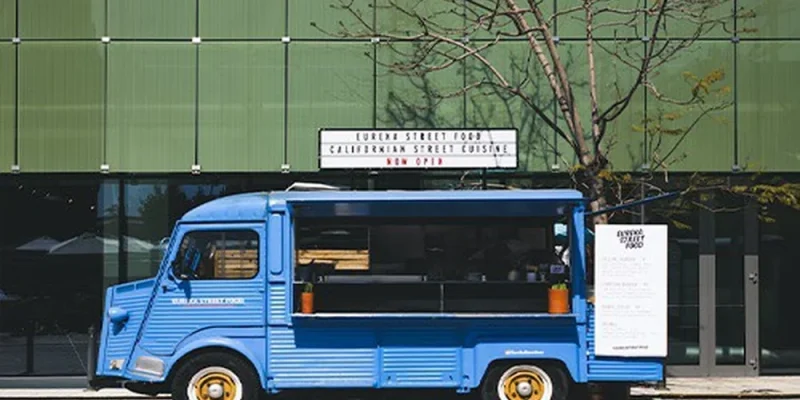
Entrepreneurs are always looking for new and creative ways to make their culinary creations accessible to the general public in today’s competitive food sector. Successful mobile food enterprises now depend on the expertise in building high-quality trailers for their mobile operations. For future food business owners looking to enter the industry without costly overhead, high-quality food trailers offer a flexible and affordable option. This article explains how to choose the right trailer for your mobile food business.
Making the right selection requires balancing your culinary ambitions with practical considerations like weight capacity, utility hookups, and overall spatial layout. Investing in specialized food business trailers allows entrepreneurs to build a tailored workspace designed explicitly for speed, comfort, and compliance with health regulations. By selecting a vehicle platform that aligns with both your menu requirements and towing capabilities, you establish a solid operational base that can support long-term growth and consistent customer satisfaction.
Recognizing your company needs
Clearly defining your company’s demands and objectives is crucial before selecting food trailers. All of your remaining selections will be guided by this fundamental stage. Your trailer selection should be primarily influenced by your menu structure, which is the core of your food business. Equipment and workspace arrangements can change depending on the type of food preparation. For example, ovens and preparation spaces required for a blender or mobile ice cream business will be very different from those required for a pizza-based menu. Think about your overall business objectives as well.
Requirements for towing
Ensuring that your mobile food business follows the legal requirements is one of the most critical elements of the business. Recognizing the requirements for the safe transportation of your food trailer is crucial for efficient management and legal compliance. The towing vehicle specifications are based on the mass of your fully loaded trailer. When estimating towing requirements, make sure to take the weight of power sources, water reservoirs, equipment, and materials into consideration. Make that your towing configuration meets the local laws related to weight measurements, lighting standards, and brake systems.
Efficient functionality and movement
From ordering to preparing food to serving customers, the interior design should support a sensible workflow. During hectic times, this carefully planned design reduces needless movement and boosts productivity. You may customize your work area according to your unique menu demands and operational approach by working with skilled producers who deal in custom-built food trailers. This gives you a big competitive advantage over pre-designed solutions. This personalization guarantees that every square inch effectively meets your company’s needs.
Design of the serving window
The design of your serving window is essential to the performance of your business and customer satisfaction since it is the main point of contact with customers. Consider elements like:
- Access and position for both clients and employees.
- Defense against weather factors like rain or extreme sunlight rays.
- Features for protection when the trailer is closed.
- Menu products on display or providing transparency on preparing meals.
Piping and power systems
Your food trailer’s energy systems act as the essential infrastructure that drives your business. Collaborating with skilled custom trailer designers guarantees that these solutions satisfy your operating requirements and follow legal requirements. During peak tasks, all of your equipment must be supported at the same time by your power supply. In addition to kitchen appliances, this also covers lighting, refrigerators, point-of-sale systems, and ventilation.









Comments