
 By
By 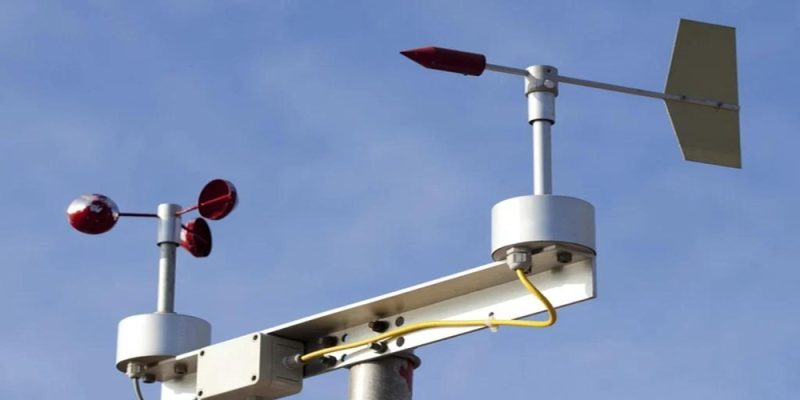
The first time I really noticed wind wasn’t during a storm it was on a normal afternoon when everything outside suddenly felt louder. Trees bending, dust moving, loose things sliding across the ground. You don’t think much about wind until it starts affecting something around you.
That’s where wind speed measurement comes in. It’s not just a technical term used by weather experts it’s something that quietly plays a role in daily decisions, safety, and even energy production. And behind it all is a small device most people have seen but rarely think about: the anemometer.
Let’s break it down in a way that actually makes sense in real life.
So, What Is Wind Speed Measurement Really?
In simple words, wind speed measurement is just figuring out how fast the air is moving. That’s it.
But the reason it matters is where things get interesting. If wind moves slowly, nothing much happens.
But when it picks up speed, it can:
- Affect flights
- Shake buildings
- Spread dust, pollution, or even fire
- Generate electricity through wind turbines
So measuring wind speed isn’t about curiosity it’s about knowing when things are normal and when they’re not.
The Anemometer: A Small Tool Doing a Big Job
An anemometer is the device used to measure wind speed. You’ve probably seen one without realizing what it’s called.
Think of those small cup-like structures spinning on top of weather stations or buildings that’s the classic version.
Now here’s the interesting part the anemometer function is based on something very basic wind pushes things. That push is what gets measured.
How the Anemometer Actually Works (No Complicated Theory)
Let’s keep this real. Imagine you’re holding a paper in front of a fan. When the fan is slow, the paper barely moves. Increase the speed, and the paper reacts more strongly. An anemometer works on a similar idea.
In the common cup-type:
- Wind hits the cups
- The cups start spinning
- Faster wind = faster spinning
Inside the device, that spinning is counted. The system then converts it into numbers like km/h or m/s.
So basically, it’s just:
spin – count – calculate – display. Simple, but effective.
Different Types (But Let’s Not Overcomplicate It)
There are a few types of anemometers, but instead of making it sound like a textbook, here’s how they actually differ in real use.
1. The Spinning Cup One (Most Common)
You’ll see this on rooftops or weather stations.
- Works well in most conditions
- Easy to maintain
- Reliable for general use
This is the one most people picture.
2. The Fan-Like Version
Looks like a small propeller.
- Needs to face the wind directly
- Often used in ventilation systems
Not as common outdoors, but useful in controlled setups.
3. The No-Moving-Parts Version
This one is more modern. Instead of spinning, it:
- Uses heat or sound
- Detects how wind changes those signals
You won’t “see” it working, but it’s very precise.
Where Wind Speed Measurement Shows Up in Real Life
This is where things start to connect.
Weather Forecasting
That wind speed you see on your phone? It comes from anemometers placed in different locations. Without them, forecasts would be guesswork.
Flights and Airports
Wind isn’t just “background noise” for airplanes.
- Too much crosswind can delay landings
- Sudden gusts can be risky
Pilots depend on real-time wind data more than most people realize.
Wind Energy
Those big wind turbines don’t just spin randomly.
They rely on wind speed data to decide:
- When to operate
- When to stop (for safety)
Too little wind – no power
Too much wind – potential damage
Construction Sites
If you’ve ever seen cranes stop working suddenly, wind might be the reason.
Strong wind can:
- Make lifting unsafe
- Cause imbalance
So measurements help decide when to pause work.
Farming
Farmers also care about wind more than you’d expect. Spraying pesticides in strong wind?
Bad idea it spreads everywhere except where it should go.
Why Placement of an Anemometer Matters
Here’s something most people don’t think about. You can’t just put an anemometer anywhere and expect accurate results.
If it’s:
- Too close to buildings → wind gets blocked
- Near trees → readings get disturbed
- Too low → doesn’t reflect actual wind flow
That’s why you’ll often see them placed high up and in open spaces.
It’s not random it’s intentional.
What People Usually Get Wrong
A common assumption is that wind speed is the same everywhere nearby. It’s not.
Wind can vary even within short distances depending on:
- Obstacles
- Height
- Surface (buildings vs open land)
So one reading doesn’t always tell the full story but it gives a reliable reference point.
The Simple Truth Behind It All
At the end of the day, wind speed measurement isn’t complicated.
It comes down to a very basic idea:
air moves – something reacts – we measure that reaction. That’s the whole system.
The anemometer just turns something invisible moving air into something we can actually understand and use.
Final Thoughts
Wind is one of those things we feel all the time but rarely think about deeply. It’s invisible, but its effects are everywhere from weather changes to power generation.
That’s why wind speed measurement matters more than it seems. And the anemometer? It’s not just a spinning tool on a pole. It’s a quiet, constant observer tracking movement, helping decisions, and making sure we’re not just guessing what the wind is doing.
Once you start noticing it, you realize it’s been there all along, doing its job without any noise.










Comments